- Home
- Nature for beginners
Nature for Beginners: Start Here
Last updated: April 12th 2026
Whether you've only recently started noticing the wildlife around you, or you want a simple way to get more from your time outdoors, you're in the right place.
On this page you'll find: how to plan a first outing that works, a simple way to identify what you see, and honest photo advice that doesn't assume you own expensive kit.
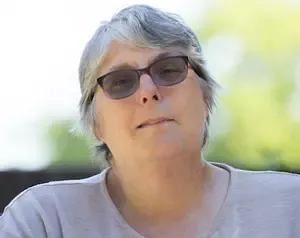
Hi, I'm Carol. I'm out most weeks with a camera on UK paths and reserves, learning the small clues that turn "I saw a bird" into "I have a sense of what it might do next." I'm still learning too, but I can share what's working.

Get Prepared
Everything you need fits in a daypack. The checklist below covers what to bring, what to wear, and what you can safely leave at home.
Essential Nature Walk Checklist
Practical basics so you can focus on the walk instead of what you forgot.
Your First Nature Walk in 20 Minutes
The biggest barrier is often just getting out the door with a plan that feels realistic.
It won't guarantee a sighting, wildlife doesn't work that way, but a sensible approach that means even a quiet day can still feel worthwhile.
You don't need a nature reserve or a free weekend. A local park, a canal path, or even a quiet corner of a churchyard will do.
For the best chance of spotting something, go out in the early morning or late afternoon. That's when birds are most active and the light is kinder to whatever camera you're using.
Try my repeatable way to get more from each outing. I come back to it time after time.
Stop, Look, Listen, Link
Stop. Pick a spot. Stand still for two minutes. Let the place settle around you.
Look. Scan the edges first: hedgerows, water margins, where one habitat meets another. Movement shows up there.
Listen. A repeated call, a rustle, a splash. Sound tells you where to point your eyes.
Link. Connect what you noticed to something: a species, a behaviour, a season, a photo. Even "I heard something I couldn't identify" counts. Make a note of it or take a photo.
Four steps, no special equipment, and it gets richer every time you use it.
That's a nature walk. Everything else builds on this.
Learn to Name What You See
You don't need to memorise hundreds of species. You just need a simple way to look more closely at what's in front of you.
A Guide to Answering "What Bird Is That?"
Forget the overwhelming field guides. This teaches a calm observation method using size, shape and behaviour to help you narrow things down without pressure.
A Beginner's Guide to the Ducks in the UK
You see them on rivers and park lakes everywhere. Learn a few simple differences and start noticing details you might have walked past for years.
Optional: Start Taking Better Photos
It's frustrating to see something beautiful and come home with a blurry, dark photo. But you don't need perfect shots to begin. You just need a picture that reminds you of what you saw.
My Top 10 Wildlife Photography Tips for Beginners
The core principles that help most beginners straight away: light, patience, and simple composition. No expensive kit required.
The Only 3 Camera Settings You Really Need to Understand
A jargon-free guide to aperture, shutter speed, and ISO, the three settings that fix most "too dark" and "too blurry" problems.
Wondering Whether to Upgrade From Your Phone?
What a camera will actually do for you that a phone can't, and what to look for when you're ready.
A Note on Fieldcraft
One thing you might be wondering is how to get closer without disturbing the wildlife.
The good news is that ethical fieldcraft helps you see more. Moving slowly, reading behaviour, and knowing when to stop are not restrictions. They are the skills that let wildlife stay relaxed and visible.
How to Slow Down on a Wildlife Walk Without Feeling Awkward
A practical guide to slowing down, pausing naturally, and noticing more.
When You're Ready for More
You don't need to do everything at once. Here's a path that builds naturally.
Start with this
Pick a local route with realistic expectations: what you might see, where to stand, when to go.
Try this on your next outing
Species guides that help you identify and understand what you're seeing, one group at a time.
Come back to this when you're ready
Gear, settings, and natural editing that keeps photos honest.
The Slower Practice
If you've got time to spend outdoors, an hour, a morning, a whole day, you might be ready for a quieter, more methodical approach.
It's not about chasing sightings. It's about learning to read a place: where the light falls, what the wind is doing, and where wildlife is likely to appear. Even on quiet days, your eyes get sharper.
A reflective piece on building a relationship with your local patch and finding wonder close to home.


Step Behind the Wild Lens
Seasonal field notes from my wildlife walks: recent encounters, the story behind favourite photos, and simple, practical tips you can use on your next outing.
Explore More Nature Walks, Wildlife and Photo Tips
Ducks in the UK: How to Spot and Identify Wild Duck Species
UK ducks are more varied than you think. Dabbling, diving and winter visitors: how to tell them apart, where to find them, and what to watch for near water.
Nature Walk Checklist: Gear, Safety & What to Pack
Planning a nature walk? Essential checklist covers gear, clothing, safety items, and preparation tips for hikers, photographers, and beginners.
Copyright © 2018- naturewalkswithcarol.com All rights reserved
Home. | About Me | Contact Me | Blog | Privacy Policy