- Home
- Nature Walks East of England
Nature Walks in the East of England and Beyond
When I first laced up my boots, I had no intention of writing about wildlife photography. My only goal was to spot cranes bugling over the Wash, or swallowtails drifting over the reeds.
We stumbled upon the giant cranes at Nene Washes, about 30 minutes from home. The butterflies were harder work, demanding repeated trips to Norfolk before we finally spotted one.
Ready for my first tip? Always wear your walking boots. Sunny skies don’t guarantee dry feet!
Before you head out, take a look at the links below. You'll find tips on where to go and what to spot—making those first steps into the countryside that much easier.
A lot of this region is flat — which is secretly perfect for beginners. You get to scan for hares in the meadows or kestrels in the sky, and travel along, open paths where wildlife is often easier to spot while still at a distance.
This area also holds some unique habitats, including Holme Fen, the lowest point below sea level in Great Britain.
Although the region is rich in quiet woodlands and wetlands, we're also close enough to the coast for easy day trips to varied shorelines.
Although not considered part of the East of England area, we also travel furhter up the East coast to places like Yorkshire and even Northumberland for a change of scenery and birds that don't normally visit us further south, such as Puffins and Eider ducks. I couldn't resist including these special places on my nature walks site.
Explore by County
Cambridgeshire
The Fens are a defining feature of this county, offering a unique habitat for a wide range of birds and wildlife throughout the year. It is home to RSPB Nene Washes, popular for wintering birds, and RSPB Fowlmere with its rare chalk stream habitat.
Norfolk
This county is known for the Broads and its own expanse of Fenland. It is the only place in the UK to see the native Swallowtail butterfly, particularly at sites like Strumpshaw Fen.
Northamptonshire
As the former home of the great Rockingham Forest, this county retains significant ancient woodlands and wetlands. It includes locations like Fermyn Woods, one of the few places in the UK to find the Purple Emperor butterfly.
Rutland
Best known for Rutland Water, an internationally important wetland and wildfowl reserve. The successful reintroduction of the Osprey here offers a remarkable wildlife spectacle.
East Yorkshire
The coastline here is marked by towering chalk cliffs and unique landforms like Spurn Point. It is one of the best places in the country to witness vast seabird colonies and seasonal bird migration.
Featured Walks and Reserves
These are a few standout locations that offer a memorable experience of the region's wildlife.
- Nene Washes, Cambridgeshire An account of a visit to the Fens in winter, watching a spectacular sunrise and seeing Short-Eared Owls and Whooper Swans.
- Strumpshaw Fen, Norfolk A visit to the Norfolk Broads with the goal of finding and photographing the rare Swallowtail butterfly.
And further north...
- RSPB Bempton Cliffs, Yorkshire A trip to witness the seabird cities on the chalk cliffs, home to thousands of Puffins, Gannets, and Guillemots during the breeding season.
- Spurn Point, Yorkshire A walk along the unique and ever-changing landform of Spurn Point, documenting the birds and wildlife encountered during the autumn migration.
Each of these locations offers something different throughout the seasons. The only way to see what's waiting is to step outside.
About the Author
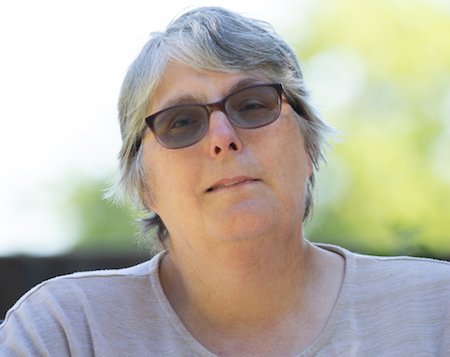
I’m a wildlife photographer who learns on everyday walks. This site is my field notebook: practical photo tips, gentle ID help, and walk ideas to help you see more—wherever you are.
I write for people who care about doing this ethically, who want to enjoy the outing (not stress about the gear), and who'd like to come home with photos that match the memory — or at least the quiet satisfaction of time well spent.
Step Behind the Wild Lens
Seasonal field notes from my wildlife walks: recent encounters, the story behind favourite photos, and simple, practical tips you can use on your next outing.
Explore More Nature Walks, Wildlife and Photo Tips
Finding and photographing rare swallowtail butterflies in the UK
Swallowtail butterflies in the Norfolk Broads attracted us back for a second year. This time I was lucky enough to photograph them!
Copyright © 2018- naturewalkswithcarol.com All rights reserved
Home. | About Me | Contact Me | Blog | Privacy Policy