- Home
- What to see now
UK Wildlife Watching by Season
Every season changes what you'll notice on an ordinary walk. Winter brings the waterbirds together where you can see them. Spring is loud with song. Summer belongs to the insects and the seabird cliffs, and autumn is a season of movement, with birds leaving, arriving and feeding up.
This page gathers what I've found on walks I've done myself in Cambridgeshire, Northamptonshire, Rutland and on the East Yorkshire coast, sorted by season and by the kind of place you're walking. Each link takes you straight to the part of a page that matters for that time of year. You don't need to know the names, and you don't need a special trip. A park lake, a footpath or a stretch of hedge you can reach in ten minutes is enough to start.

Winter Wildlife (December to February)
Winter gathers wildlife together where you can see it. Here's what's worth looking for this winter:
- Washes and wetlands: whooper swans in from Iceland, pintails and teal, marsh harriers hunting low over the reeds
- Fields: short-eared owls hunting at sunrise over the Nene Washes, lapwing flocks wheeling overhead
- Lakes: goldeneye on the big reservoirs, and a smew if you're lucky
- Hedgerows: redwings and fieldfares stripping the hawthorn berries
- Gardens: robins and tits busy at the feeders
The only place I have seen short eared owls is Nene Washes. My first sighting was early January as the sun rose on a freezing cold day. It was splendid!
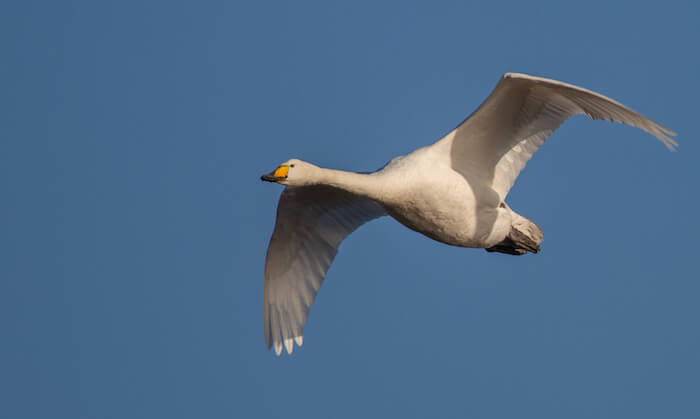
Whooper swan, Ouse Washes
Wetlands and washes
- Short-eared owls at a frosty Nene Washes sunrise: a whole winter morning on the washes, hunters and winter visitors
- A winter day at Welches Dam: whooper swans in from Iceland, marsh harriers and pintails on the Ouse Washes
- Rutland Water on a winter day: up to 25,000 waterfowl from November to February
- The Fens and Washes: what happens when winter floods turn the fields into lakes
- Ducks in winter: peak duck season, and which visitors to look for
- Where to watch common cranes: autumn and winter give the best odds at Nene Washes
- Whooper or Bewick's swan?: how the two winter visitors differ from the mute swan you see all year
- Paxton Pits in winter: whistling wigeon, December to February
- Grafham Water in winter: goldeneye drakes, and a chance of a bittern
- Pitsford Water: a reservoir reserve where the winter wildfowl build up
- A winter walk at RSPB Fowlmere: teal on the clear chalk stream
- Four duck bills on one winter pond: why winter is the easiest time to read beaks
Gardens and fields
- What bird is this at my feeder?: the garden birds that get busiest at feeders in autumn and winter
- Reading a winter lapwing flock: the flicker you can pick out at a distance
Spring Wildlife (March to May)
Spring is the season you hear before you see. Here's what's worth looking for this spring:
- Hedgerows: nesting blackbirds, song thrushes in full voice, the first whitethroats arriving
- Fields: hares boxing, barn owls hunting at dusk, skylarks singing overhead
- Lakes: great crested grebes courting, coots nest-building, swallows skimming the water
- Woods: bluebells carpeting the floor, chiffchaffs calling, green woodpeckers laughing
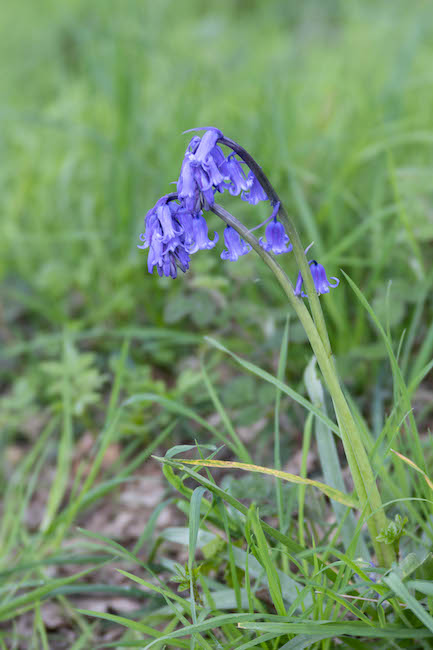
English bluebell: the drooping stem and curled petal tips
Spring woodland
- A spring walk through the woods by sight and sound: chiffchaff, song thrush, nuthatch and goldcrest
- Bluebells at Brampton Wood: when to go and where to find the best patches
- Monks Wood in spring: bluebells coming back behind the deer fencing
- The common chiffchaff: often the first new song of spring, and it sings its own name
- Glapthorn Cow Pastures: listen for nightingales among the spring flowers
Lakes and rivers
- Great crested grebe courtship: the head-shaking display on a spring lake
- Mute swans in the breeding season: nest-building, cygnets and family life
- Why swans get defensive in spring: what the breeding season does to a swan's temper
- Ducks in spring: pairs forming, and the chance of a garganey
- Paxton Pits in spring: the dawn chorus and a nightingale, April to May
- Nightingales at Grafham Water: a good corner of the reservoir for them in spring
- The Reed Bed hide at Fowlmere: sit and listen in spring or summer
Summer Wildlife (June to August)
Summer belongs to the insects and the seabird cliffs. Here's what's worth looking for this summer:
- Cliffs: puffins, gannets and kittiwakes nesting on the East Yorkshire coast
- Woods: purple emperors in July, down on the muddy paths rather than the flowers
- Fens and rivers: swallowtails in the Norfolk fens, banded demoiselles along the River Nene
- Lakes: ospreys fishing at Rutland Water, grebe chicks riding on their parents' backs
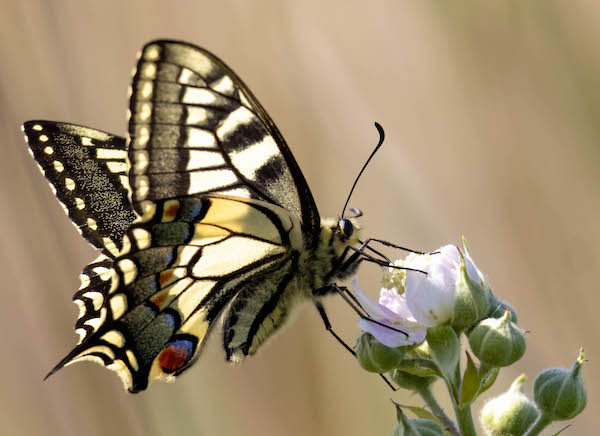
Swallowtail: late May to mid-July in the Norfolk fens
Seabird cliffs
- Puffins at Bempton Cliffs: mid-April to late July, with May and June the best months
- When to visit Flamborough Head: late spring to midsummer, when the cliffs are loudest
- The East Yorkshire cliffs in June: the peak month for the seabird colonies
Butterflies and dragonflies
- Planning a swallowtail trip: late May to mid-July, with June the sweet spot
- The butterflies of Fermyn Woods: purple emperors at their best in July
- Photographing butterflies up close: from the first spring brimstone to the last summer fritillary
- Dragonflies close up: from the first adults in May to the summer swarms over ponds
- The River Nene at Barnwell: banded demoiselles in the reeds
- Titchmarsh in summer: one of the best spots for banded demoiselles
- Paxton Pits in summer: dragonflies, June to August
Ospreys
- An osprey cruise on the Rutland Belle: osprey season runs roughly May to August
- Ospreys at Rutland Water: the reintroduction story and where to watch
Families on the water
- Great crested grebe chicks: stripy chicks riding on their parents' backs
- Cygnets and family life: a swan family sticks together for four or five months
- Ducks in summer: the quieter months, when the ducklings appear
Late summer moult
- Why birds go quiet in late summer: the annual moult, explained
Autumn Wildlife (September to November)
Autumn is a season of movement, with birds leaving, arriving and feeding up. Here's what's worth looking for this autumn:
- Hedgerows: redwings and fieldfares arriving to strip the berries, blackbirds joining the feast
- Fields: lapwing flocks wheeling over the ploughed fields, common cranes back on the washes
- Lakes: wigeon and teal returning for the winter, the first goldeneye arriving
- Woods: jays burying acorns, fungi pushing up through the leaf litter, the trees turning
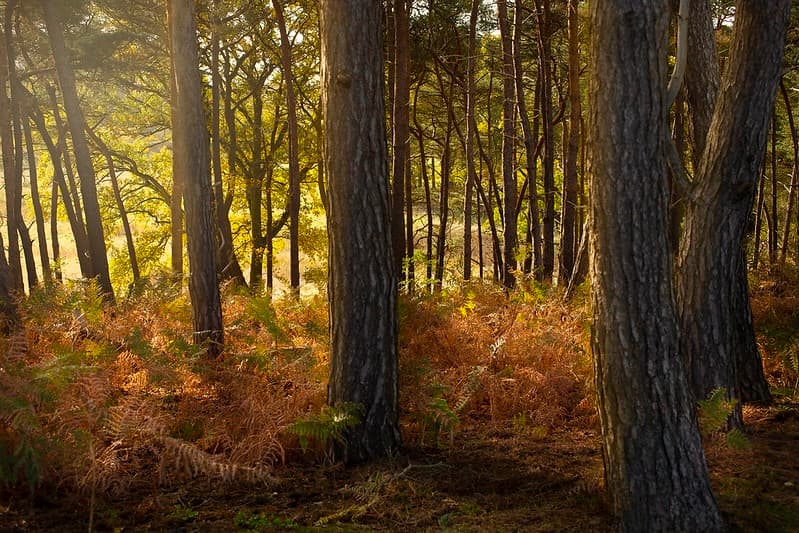
An autumn wood in low afternoon light
Coastal migration
- A week of autumn migration at Spurn Point: September and October are the prime months
- Chiffchaff or willow warbler in autumn?: how to tell them apart once the singing stops
Woods
- An autumn woodland walk: noticing and photographing a wood in low autumn light
- Monks Wood in autumn: colourful fungi among the dead wood
Wetlands
- Common cranes at Nene Washes: an October afternoon with a crane family
- Barnwell's North Lake loop: calm water and autumn reflections
- Ducks in autumn: the migrants arrive back and the plumage sharpens
- Paxton Pits in autumn: the lakes filling with ducks and geese
Gardens
- What bird is this at my feeder?: feeder visitors pick up as the weather turns
Seasonal Wildlife Watching Questions
What's the best season for wildlife watching if you're a beginner?
Winter is the kindest season to start with if you want to watch birds. The leaves are down, so there's less to hide behind, and waterbirds gather on lakes and flooded washes in numbers you can't miss. Spring is the season to start with if you'd rather listen, because the birdsong is at its loudest. Whichever season you're in, the best one is the one you can get out in this week: start with winter or spring.
What can I realistically see on a short winter walk near home?
Birds, mostly, and more of them than you might expect. A park lake or pond can hold several kinds of duck, and some of them have flown in from colder countries for the winter (which ducks to look for). Hedgerows with berries draw redwings and fieldfares, winter thrushes from Scandinavia that strip the hawthorns. At home, feeders get busier as the weather turns, and robins grow bold enough to come close (what bird is this at my feeder?).
What are the easiest signs of spring to notice, even in a town park?
Song comes first. The chiffchaff is often the first new voice of spring, a small bird that sings its own name from the treetops (the common chiffchaff). On park lakes, watch the swans and grebes: mute swans start getting serious about nesting, and great crested grebes begin their head-shaking courtship (grebe courtship).
What's different about wildlife watching in autumn?
Autumn is the season of movement. Birds that bred here leave, and winter visitors arrive: wigeon and teal return to the lakes, redwings and fieldfares come in for the berries, and common cranes gather on the washes (common cranes at Nene Washes). On the coast, September and October are the prime months for migration (a week at Spurn Point).
Is summer the best season, or only the busiest?
Summer is the busiest season for insects and the hardest for birds. The leaves are thick, the singing fades after the breeding season, and many birds tuck themselves away to moult. Turn your attention to butterflies, dragonflies and damselflies instead (summer wildlife), and to the seabird cliffs, which are at their loudest from late spring to midsummer.
What time of day is best for noticing wildlife?
Early in the day, and early in the week. Mornings are quieter, for wildlife and for people, and a reserve you share with a crowd at the weekend can feel like a different place midweek. Some species keep their own hours: short-eared owls often hunt in daylight, well before sundown (a Nene Washes sunrise).
My most memorable visit to Barnwell was on Christmas morning no less. Normally I avoid visiting the park on holidays as it can get busy, but I guess others were busy unwrapping gifts and cooking turkeys. For me, midweek mornings work best. Nearby Titchmarsh Nature Reserve, with no toilets or cafés on hand, offers a quieter destination whatever the time of day. I have walked the entire 4-mile path without seeing a soul.
Why do I see fewer birds in late summer?
Because many of them are moulting. Late summer is when birds replace their worn feathers, and while they do it they keep quiet and stay in cover. Mute swans lose all their flight feathers at once for about six weeks. It's normal, and it passes (why birds go quiet in late summer).
How do I tell if I've missed the season for something?
Check the month before you trust the name. Many species are here for only part of the year, and a picture in a field guide won't tell you when.
Reading a field guide showing British Birds of Prey led me to a mistaken identity. It featured a striking bird which I could not remember having seen before. The next time I saw an unusually coloured raptor I thought it resembled the picture in the book and proudly pointed out the "honey buzzard" to a fellow bird watcher. I still remember the confusion on his face. "In January?" he asked. Going back to the book on returning home I read that the rare Honey Buzzards only visit the uk between May and September.
Each season on this page gives its months, and the pages it links to give the windows: puffins at Bempton from mid-April to late July, swallowtails from late May to mid-July, ospreys on the Rutland Belle cruises from roughly May to August, and autumn migration at Spurn in September and October. If you've missed one, note the dates and plan for next year.
Whichever season you're reading this in, there's something to notice on a walk you could take tomorrow. Pick the season you're in, pick one place close to home, and go and look.
Try this
Ten minutes by the same hedge, pond or tree this week. See what shows up, then come back to it next season.

Step Behind the Wild Lens
Seasonal field notes from my wildlife walks: recent encounters, the story behind favourite photos, and simple, practical tips you can use on your next outing.
Copyright © 2018- naturewalkswithcarol.com All rights reserved
Home. | About Me | Contact Me | Blog | Privacy Policy